In an era where fashion cycles accelerate like never before, the Y2K aesthetic has resurfaced not as a flashy relic of early-aughts excess, but as a refined blueprint for simplicity. Picture this: the low-rise jeans and baby tees of 2000, once synonymous with pop-star glamour and consumer frenzy, now pared down to essential silhouettes that whisper rather than shout. What draws us back to this moment, and why does a Y2K minimalist wardrobe feel so urgently relevant? It’s a quiet rebellion against overconsumption, blending retro charm with the clean lines of contemporary minimalism.
The Roots of Y2K Fashion: From Excess to Essence
To understand the appeal of a Y2K minimalist wardrobe today, we must revisit the turn of the millennium. The early 2000s were defined by a cultural cocktail of technological optimism and celebrity-driven indulgence. Think Britney Spears in crystal-embellished crop tops or Paris Hilton’s velour tracksuits, all amplified by the rise of reality TV and the internet’s nascent grip on style. Y2K fashion was bold, logo-heavy, and unapologetically playful, reflecting a post-9/11 world grasping for escapism amid economic booms and digital disruptions.
Yet, beneath the glitter lay seeds of minimalism. Designers like Jil Sander and Helmut Lang were already championing clean, architectural forms in the late 1990s, influencing the era’s understated undercurrents. Fast-forward to now, and the 2000s fashion revival isn’t mere nostalgia; it’s a response to our cluttered lives. In a post-pandemic landscape marked by climate anxiety and digital overload, minimalist style offers solace. We’re witnessing a shift where retro aesthetic meets modern minimalism, stripping away the tacky to reveal something timeless.
This evolution matters because it mirrors broader cultural shifts. As global economies grapple with sustainability, fashion enthusiasts are reimagining Y2K trends through a lens of restraint. No longer about accumulating trends, it’s about curating a capsule wardrobe that nods to the past while prioritizing longevity.
Building a Minimalist Y2K Wardrobe: Essentials for Everyday Elegance
At the heart of a Y2K minimalist wardrobe lies intentionality. Start with versatile pieces that evoke the era’s spirit without overwhelming the senses. Low-rise trousers, once controversial for their exposure, can be reinterpreted in neutral tones like soft gray or ecru, paired with oversized button-downs for a nod to 90s retro style. Opt for high-quality fabrics, such as organic cotton or recycled denim, to infuse sustainable Y2K fashion into the mix.
Key essentials include slip dresses in muted metallics, reminiscent of the era’s party-girl vibe but elongated for daytime wear. Add a few vintage-inspired outfits, like a simple halter top in black silk, which channels the clean girl aesthetic popularized on social platforms. The goal? A wardrobe of 20-30 items that mix and match seamlessly, reducing decision fatigue while amplifying personal expression.
Consider the color palette: Y2K’s pastels and silvers, tempered with earth tones for a minimalist chic approach. A white baby tee, free of logos, becomes a canvas for subtle accessorizing, perhaps with a delicate chain necklace echoing early-2000s bling but in refined gold. This minimalist approach to retro 2000s trends ensures outfits feel fresh, not costumey.
Styling Y2K Trends with a Minimalist Twist: Practical Ideas
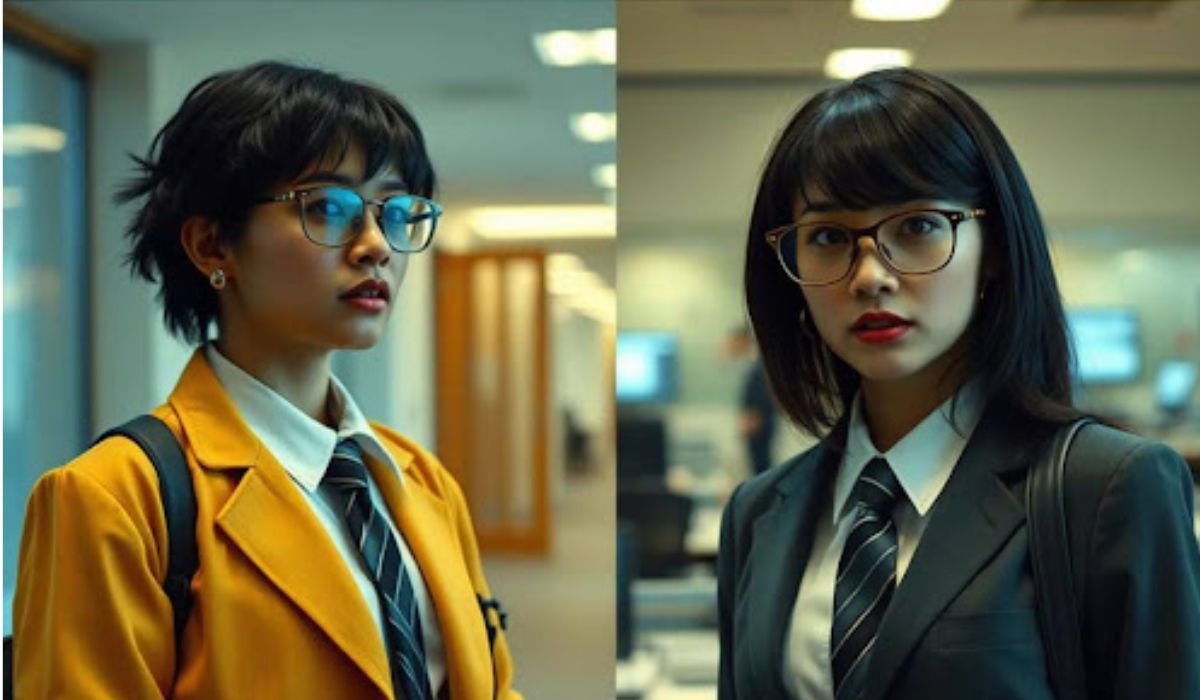
How to wear Y2K fashion without being tacky? The secret is balance. Take the cargo pant, a staple of the era’s utilitarian edge. In a contemporary Y2K context, slim it down to straight-leg silhouettes in khaki or navy, styled with a fitted turtleneck for office-appropriate poise. For evenings, layer it under a sheer blouse, adding depth without excess.
Outfit ideas abound for the creatively inclined. Imagine a weekend look: wide-leg jeans (a subtle evolution from low-slung styles) with a cropped cardigan in soft pink, evoking nostalgic trends yet grounded in simplicity. Or, for art gallery openings, a monochromatic ensemble of silver slip skirt and matching tank, where the retro aesthetic shines through texture rather than embellishment.
These Y2K retro minimalist outfit ideas extend to accessories. Butterfly clips, once ubiquitous, can be singular and oversized, pinned back for an effortless updo. Footwear leans toward platform sneakers in white leather, offering height without the clunkiness of original designs. The result? Chic and simple Y2K inspired looks that feel lived-in, not performative.
The Intersection of Artivism and Sustainable Y2K Fashion
Fashion isn’t just personal; it’s political. The resurgence of minimalist Y2K draws from artivism, where creators use style as a tool for social commentary. Designers like Stella McCartney, with her eco-conscious ethos, have long advocated for capsule wardrobes that minimize waste. In this vein, sustainable Y2K fashion emerges as a form of quiet activism, challenging the fast-fashion machine that once fueled the era’s excesses.
Consider emerging artists like those in Brooklyn’s DIY scene, who repurpose thrift finds into modern reimaginings of 2000s fashion. One such collective, blending street art and upcycling, transforms vintage Juicy Couture into streamlined jumpsuits, highlighting themes of consumerism and renewal. This approach resonates globally, from Tokyo’s Harajuku minimalists who fuse Y2K with wabi-sabi imperfection, to Lagos designers incorporating African prints into clean silhouettes.
Ethically, this trend promotes inclusivity. By focusing on timeless pieces, it democratizes style, making high fashion accessible beyond Western runways. Yet, challenges remain: the risk of cultural appropriation in borrowing from diverse retro influences demands awareness. True artivism here means crediting origins, whether it’s the influence of Black hip-hop culture on Y2K or Asian futurism in its tech-inspired gleam.
A Global Lens: Diverse Perspectives on Minimalist Chic
The Y2K minimalist wardrobe isn’t monolithic; it adapts across cultures. In Europe, Scandinavian designers emphasize functionality, turning butterfly motifs into subtle embroidery on wool coats. Meanwhile, in South America, Brazilian labels infuse the aesthetic with vibrant yet restrained patterns, drawing from Carnival’s energy but scaled back for urban life.
Asian perspectives add layers of philosophical depth. Korean street style, for instance, merges K-pop’s Y2K roots with hanbok-inspired minimalism, creating outfits that honor heritage while embracing nostalgia. In India, sustainable brands like those using khadi fabric reinterpret low-rise saris with a 2000s twist, blending colonial histories with modern empowerment.
This global tapestry underscores the trend’s universality. It’s not just about aesthetics; it’s a dialogue on identity in a hyper-connected world. For activists, it represents resistance to homogenization, allowing personal narratives to flourish within a shared retro framework.
The Evolution of Y2K Style in 2026: Forward Horizons
As we edge into 2026, the Y2K minimalist wardrobe promises further refinement. With advancements in bio-fabrics and AI-driven customization, expect wardrobes that evolve with wearers’ lives, perhaps through modular pieces that adapt seasonally. This forward momentum builds on today’s foundations, where nostalgia fuels innovation rather than repetition.
Yet, the true power lies in its introspective pull. In curating such a wardrobe, we confront our relationship with time: what do we carry from the past, and what do we release? It’s a reminder that style, at its best, is a mirror to our values, urging us toward mindful consumption.
In embracing this reimagined era, readers might find not just outfits, but a philosophy: one where less reveals more, and retro whispers wisdom for tomorrow.