In the shadow of Tokyo’s neon-lit skyscrapers, a salaryman pauses during his commute to practice a brief moment of zazen, drawing on centuries-old Zen traditions to steady his mind against the city’s relentless rhythm. Meanwhile, in New York’s bustling galleries, an artist sketches fragmented thoughts onto canvas, transforming inner turmoil into visual expression. These snapshots reveal a universal truth: across cultures, we’re grappling with the demands of acceleration, seeking anchors in an era where time feels perpetually compressed.
The Historical Surge of Modern Lifestyle Stress
Mental health challenges aren’t a novel phenomenon, but their intensity has amplified with societal shifts. From the Industrial Revolution’s factory whistles to today’s incessant notifications, human life has accelerated exponentially. The World Health Organization reports that over one billion people now live with mental health conditions, a figure that surged past 970 million in recent years. This escalation ties directly to urbanization and digitization, where constant connectivity erodes boundaries between work and rest.
In the post-pandemic landscape of 2025, with remote work blurring lines further, young adults bear the brunt. Surveys indicate that one in three globally contends with a mental health condition, with Gen Z showing a 46% diagnosis rate yet a rising tide of optimism through adaptive strategies. Why now? Economic pressures, social media’s highlight reels, and climate anxieties compound, turning everyday navigation into a high-stakes endeavor. Yet this context isn’t merely grim; it spotlights opportunities for cultural reclamation and innovative coping.
Signs of Burnout in High-Pressure Creative Fields
Creatives, thinkers, and activists often thrive on intensity, but the line between passion and exhaustion thins quickly. Burnout manifests subtly: a painter staring at a blank canvas, inspiration evaporated; a writer recycling ideas, creativity stalled. In high-pressure jobs, symptoms include chronic fatigue, cynicism, and diminished output, affecting nearly half of OECD populations at some point.
Consider the art world, where deadlines for exhibitions or grants mirror corporate sprints. Urban living exacerbates this, with noise pollution and overcrowding heightening anxiety. A recent study highlights how young artists in fast-paced environments report elevated insomnia and depression, underscoring the need for tailored interventions. Recognizing these signs early isn’t weakness; it’s strategic self-preservation, allowing space for the innovative sparks that define cultural progress.
Burnout Prevention: Strategies for Work-Life Balance
Preventing burnout demands intentional shifts, especially for those in creative pursuits. Setting boundaries emerges as a cornerstone: designate “no-screen” evenings or studio hours free from client pings. Diversifying outlets helps too—switch from digital design to tactile sculpture, reigniting joy without pressure.
Physical activity weaves in seamlessly; a brisk walk through city parks bilateral movements like sketching or dancing can reset neural pathways, easing mental blocks. For artivists juggling activism with livelihood, journaling offers clarity: track wins and strains to spot patterns. These aren’t quick fixes but layered habits that prioritize productivity vs. health, ensuring long-term sustainability in demanding roles.
Mindfulness Practices for Busy Professionals
Mindfulness isn’t reserved for monastic retreats; it’s adaptable for the urban hustle. For thinkers and lifestyle enthusiasts, simple exercises integrate into packed schedules. Start with box breathing: inhale for four counts, hold, exhale, repeat—ideal during commutes or before meetings.
A body scan, mentally noting sensations from toes to head, grounds amid chaos. Busy professionals might try the 5-senses check-in: name what you see, hear, touch, taste, smell, fostering presence. These practices enhance emotional resilience, countering anxiety in a 24/7 society. In creative fields, they sharpen focus, turning scattered ideas into coherent narratives.
The Transformative Power of Digital Detox
In a constantly connected life, unplugging isn’t rebellion; it’s restoration. A one-week social media break can slash anxiety by 16%, depression by 25%, and insomnia by 15%, per recent findings. Digital detox reclaims mental clarity, reducing the cognitive drain from endless scrolling.
For culturally engaged readers, this means rediscovering analog joys: reading a physical book on artivism or strolling galleries without documenting. Benefits extend to sleep quality and relationships, fostering deeper connections. In urban settings, where screens dominate, such pauses counteract overwhelm, allowing space for holistic health and fresh perspectives.
Building Emotional Resilience Through Self-Care Strategies
Self-care strategies evolve beyond bubble baths; they’re tools for high achievers. Healthy habits like balanced nutrition and adequate sleep form the base, but emotional layers matter. Art therapy, for instance, channels stress into expression, tapping unconscious insights for healing. Creatives find solace here, transforming burnout into breakthroughs.
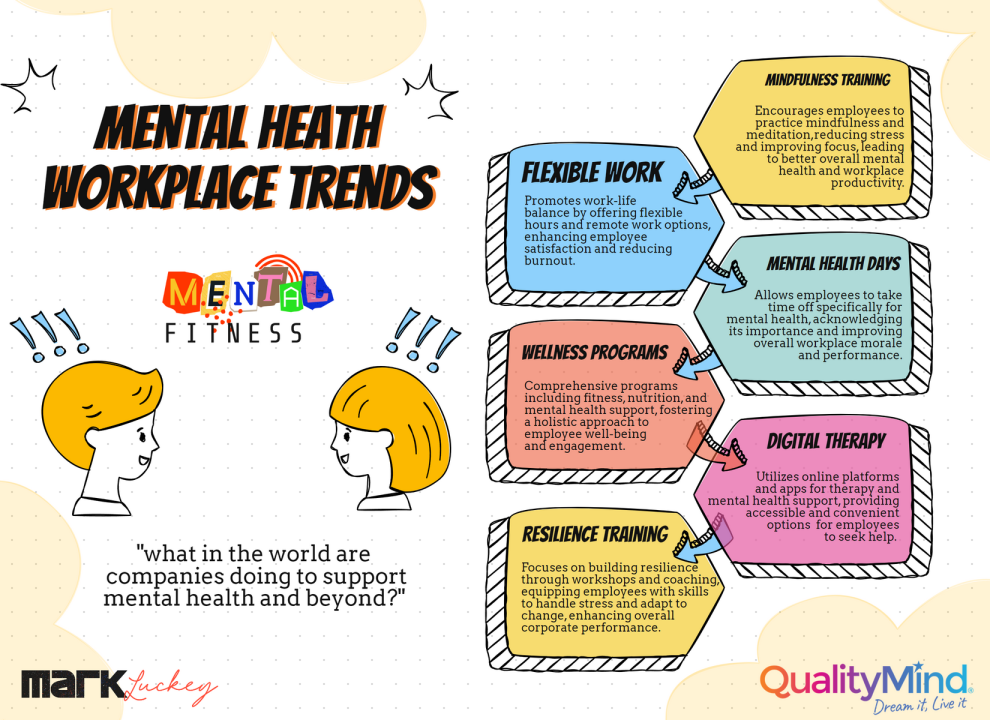
Workplace wellness programs, increasingly incorporating these, signal a shift. Yet personal agency reigns: curate routines that align with your rhythm, whether through community gatherings or solitary reflection. This resilience isn’t innate; it’s cultivated, turning vulnerabilities into strengths.
Global Perspectives: Diverse Cultural Approaches to Mental Well-Being
Mental health isn’t monolithic; cultural lenses shape its understanding. Western approaches often medicalize, emphasizing therapy and medication, while Eastern traditions lean holistic, integrating mind, body, and spirit. Japan’s ikigai—finding purpose—bolsters resilience against urban stress, much like Scandinavian hygge promotes cozy, communal warmth.
Indigenous practices worldwide emphasize community and nature: Australian Aboriginal healing circles foster connection, countering isolation. In Latin America, rituals blending spirituality and emotion offer outlets absent in individualistic societies. Acknowledging these avoids bias, enriching global dialogues on anxiety relief and well-being. For activists, this intersectionality fuels inclusive artivism, addressing mental health through diverse narratives.
Why Mental Health Matters in Our Modern Tapestry
As we navigate this accelerated existence, mental health emerges not as a sidebar but the thread weaving through art, culture, and activism. Prioritizing it ensures that creativity flourishes, ideas ignite, and societies evolve equitably.
Reflect on this: in slowing down, we don’t lose ground; we gain depth. Whether through a mindful breath in a crowded subway or a cultural ritual reclaimed, the path to equilibrium lies in intentional pauses. Amid the rush, these moments remind us that true progress honors the human spirit’s need for rest and renewal.
READ ALSO: The Rise of Nature-Infused Artivism: Sparking a Greener Creative Revolution