
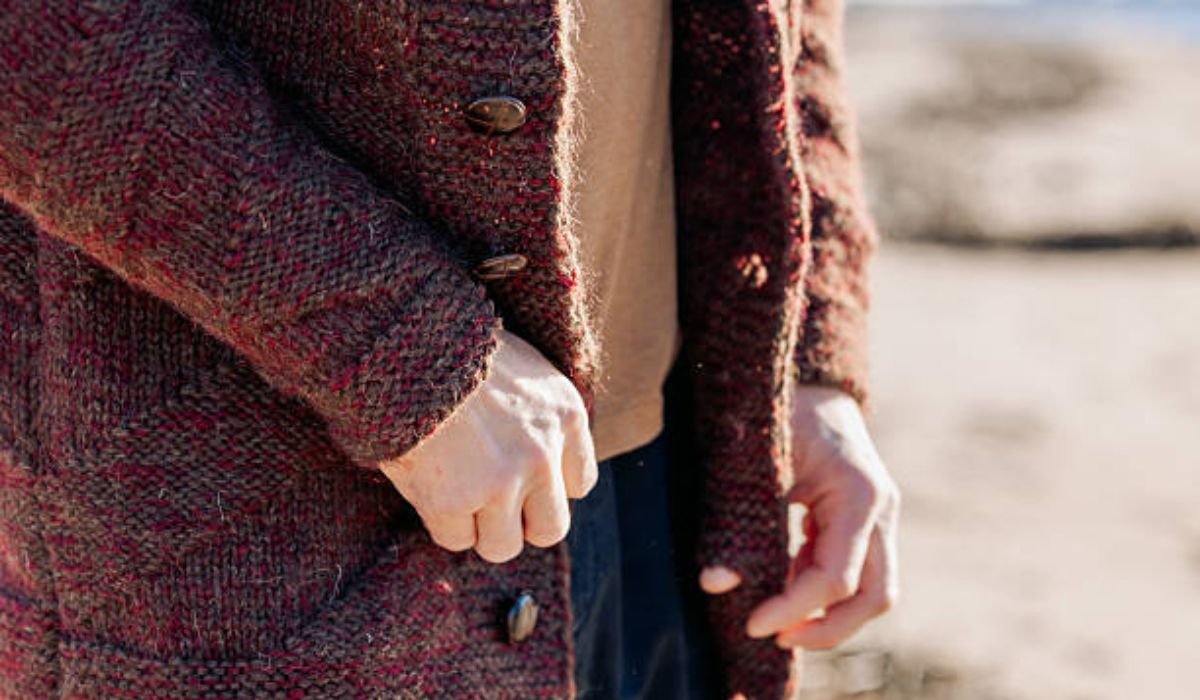
In a world where fast fashion cycles through trends like autumn leaves, there’s something profoundly reassuring about pieces that whisper of permanence. Picture this: a crisp morning walk through a city park, the air carrying that first hint of chill, and you’re wrapped in a jacket that’s seen generations of wear, layered over a knit that feels like a hug from an old friend. Barn jackets, with their rugged roots in rural labor, have quietly become the unsung heroes of modern wardrobes, especially when paired with the soft, textured embrace of knitwear. For women navigating the blur between seasons, this duo isn’t just practical—it’s a statement of quiet confidence, blending heritage fashion with utilitarian chic in ways that feel effortlessly contemporary.
Why does this matter now? As we edge into 2026, with climate unpredictability and a collective yearning for authenticity post-global shifts, enduring outerwear like barn jackets offers a grounded alternative to fleeting fads. They’re not about chasing the next big thing; they’re about building a sustainable wardrobe that adapts to life’s rhythms, from weekend errands to evening gatherings. And when styled with knits, they transform from workhorse staples to elevated ensembles that nod to countrycore aesthetics while thriving on city streets.
The Roots of Rugged Elegance
Barn jackets trace their lineage back to late 19th-century France, where they emerged as chore coats for laborers—loose-fitting, pocket-heavy garments in durable fabrics like cotton drill or moleskin, designed to withstand the demands of farms and factories. By the early 20th century, they crossed the Atlantic, evolving into the American barn jacket, beloved by Midwestern workers for its practicality. Iconic brands like L.L. Bean cemented their status, launching the Field Coat in 1924—a waxed cotton wonder that promised warmth and weather resistance for outdoor pursuits.
This heritage isn’t just nostalgic; it’s a cultural touchstone. In an era of equestrian style revival and countrycore trends, barn jackets evoke a romanticized rural life, yet they’ve been reimagined for urban contexts. Think of them as bridges between worlds: the corduroy collar adding a touch of tactile luxury, the boxy silhouette offering room for layering without bulk. Today, they’re part of a broader shift toward transitional dressing, where functionality meets flair, influenced by global movements toward mindful consumption.
Choosing Your Barn Jacket: Form Meets Function
Selecting the right barn jacket starts with material and fit. Waxed cotton remains a classic choice for its water-repellent qualities, ideal for drizzly days, while organic cotton or recycled blends appeal to those prioritizing sustainability. Brands like Everlane offer timeless versions in canvas with corduroy accents, emphasizing ethical production in small batches. For a heritage vibe, Barbour’s barn jackets deliver British craftsmanship, blending waxed finishes with quilted linings for added warmth.
Fit-wise, opt for an oversized silhouette to allow for chunky cable knits underneath—think roomy enough for movement but tailored at the shoulders to avoid overwhelming your frame. Colors? Earthy neutrals like khaki, navy, or olive dominate for versatility, though bolder options in rust or mustard can add personality to equestrian-inspired looks. And for durability, look to chore coats from Carhartt or Levi’s, which nod to their workwear origins while fitting seamlessly into city life.
Layering Mastery: Barn Jackets Meet Knits
The magic happens in the layering. A barn jacket’s utilitarian structure pairs beautifully with knitwear’s softness, creating contrast that elevates both. Start simple: slip a chunky cable knit sweater over a crisp button-up, then top with the jacket for a balanced, rugged-yet-refined vibe. Fair Isle patterns add a heritage touch, evoking countryside coziness without veering into costume territory.
For transitional dressing, try matching knit midi dresses with barn jackets—a flowy wool dress in cream or gray peeking out from under a waxed cotton layer creates elongation and movement. Balance the boxy jacket with fitted knits at the waist, or go oversized for a relaxed countrycore aesthetic. Stylists suggest countering the jacket’s structure with tailored layers beneath, like slim turtlenecks or merino wool v-necks, to keep proportions sharp.
Outfit ideas abound. For city streets, layer a cream Shetland sweater under a khaki barn jacket, paired with wide-leg cords and loafers—practical yet polished. Heading to a market? Opt for an olive jacket over a striped knit polo, with cropped jeans and ankle boots for effortless utility. And for evenings, a satin-trimmed camisole under a lightweight knit, topped with the jacket, adds subtle elegance.
Trends on the Horizon: Enduring Outerwear in 2025 and Beyond
As we look to 2025, barn jackets are firmly entrenched in enduring outerwear trends, fueled by countrycore’s rise—earthy tones, plaid accents, and riding boots reimagined for modern life. Runways from Prada to The Row have spotlighted them, styling barn coats with oversized sweaters for a fresh take on durable workwear fashion. This isn’t just Western-centric; global influences, from British tweeds to Japanese workwear adaptations, bring diversity to the aesthetic.
Sustainability plays a key role too. With consumers seeking pieces that last, brands like Baukjen and Everlane use recycled fibers, ensuring your wardrobe staples align with ethical values. It’s a nod to artivism in fashion—using clothing as a quiet protest against disposability, embracing items that tell stories across cultures and generations.
A Personal Reflection on Style as Storytelling
What draws me to this pairing is its inherent narrative depth. Barn jackets aren’t mere coverings; they’re canvases for personal expression, much like how knitwear weaves comfort into our daily lives. In a culturally fragmented world, these pieces invite us to blend histories—perhaps layering a Scandinavian-inspired Aran knit under a French-derived chore coat, creating something uniquely yours. It’s not about perfection; it’s about authenticity, where a corduroy collar against wool sparks joy in the mundane.
Yet, nuance matters. Avoid over-layering to prevent bulk; instead, let textures dialogue. And remember inclusivity: this style transcends body types and backgrounds, adaptable from petite frames with cropped jackets to curvier silhouettes with belted waists.
In essence, barn jackets and knits remind us that true style endures not through trends, but through thoughtful choices that honor our roots while facing forward. Next time you reach for that familiar layer, consider the stories it carries—and the ones you’ll add.
As fashion evolves amid shifting climates and cultural dialogues, barn jackets and knits stand as pillars of versatile, meaningful dressing. Drawing from their laborer origins in 19th-century France, these jackets—initially crafted for durability with wide pockets for tools—migrated to America, becoming staples for farmers and evolving into symbols of resilient style. L.L. Bean’s 1924 Field Coat, later rebranded as the Adirondack Barn Coat in 2003, exemplifies this transition, offering waxed cotton for weatherproofing and a corduroy collar for subtle elegance.
Contemporary relevance stems from post-pandemic priorities: comfort, sustainability, and authenticity. With countrycore aesthetics gaining traction—characterized by moss greens, chunky knits, and equestrian elements—barn jackets fit seamlessly into 2025 trends, as seen in collections emphasizing utilitarian chic. This resurgence reflects broader cultural shifts toward heritage fashion, where pieces like these counter fast fashion’s ephemerality.
Selecting and Sourcing: Key Considerations
When curating your collection, prioritize materials like organic cotton or waxed finishes for longevity. Everlane’s barn jacket, made from durable canvas, highlights sustainable practices with ethical sourcing. Barbour, with its British roots, provides waxed options that age gracefully, ideal for transitional weather. For affordability, Levi’s and Carhartt offer versatile styles, blending workwear heritage with modern cuts.
Fit varies: J.Crew’s Barn Jacket in ripstop cotton suits oversized layering, while Boden’s lined versions add warmth without weight. Sustainable brands like Baukjen incorporate recycled fibers, aligning with global ethical standards.
| Brand | Key Features | Price Range | Sustainability Notes |
| L.L. Bean | Waxed cotton, corduroy collar, heritage design | $150–$250 | Durable, long-lasting pieces reduce waste |
| Barbour | Quilted lining, waxed finish, equestrian style | $200–$400 | Ethical European production, repair services |
| Everlane | Organic cotton canvas, minimalist aesthetic | $100–$200 | Transparent supply chain, recycled materials |
| Carhartt | Rugged flex fabric, utilitarian pockets | $80–$150 | Workwear durability promotes longevity |
| Levi’s | Cotton barn jacket, vintage workwear vibe | $70–$120 | Some recycled cotton options available |
This table illustrates options for various budgets, emphasizing pieces that support a sustainable wardrobe.
Styling Strategies: From Theory to Practice
Effective layering hinges on contrast: the jacket’s structure against knitwear’s fluidity. For fall, pair a chunky cable knit with cords for country-coded appeal. Stylists recommend balancing boxy shapes with tailored underlayers, like ivory sweaters or cream knit polos.
Real-world examples: A barn jacket over a striped sweater and cropped jeans evokes casual sophistication. For urban adaptation, layer with knit midi dresses and ankle boots, merging durable workwear with city elegance. Social media insights from platforms like X highlight creamy neutrals softening rugged edges, or Fair Isle patterns adding pattern play.
Advanced tips include flipping sweaters for custom looks or using Shetland wool for texture. Avoid slim cuts; opt for relaxed fits to enhance the countrycore vibe.
Global and Cultural Dimensions
This aesthetic draws from diverse sources: French chore coats, American barn styles, and even Japanese workwear influences, fostering inclusivity. In artivism contexts, it critiques consumerism, promoting pieces that transcend borders. Ethical awareness ensures representations avoid Western bias, celebrating global adaptations like Indian khadi-inspired layers or African print accents under barn jackets.
Forward-Looking Insights
Looking ahead, enduring outerwear trends for 2025 emphasize hybridization—barn jackets with tech fabrics or knits from regenerative wool. This evolution underscores fashion’s role in cultural narratives, where style becomes a tool for personal and planetary resilience.
YOU MAY ALSO LIKE: Enduring Outerwear: Barn Jackets and Knits for Timeless Style