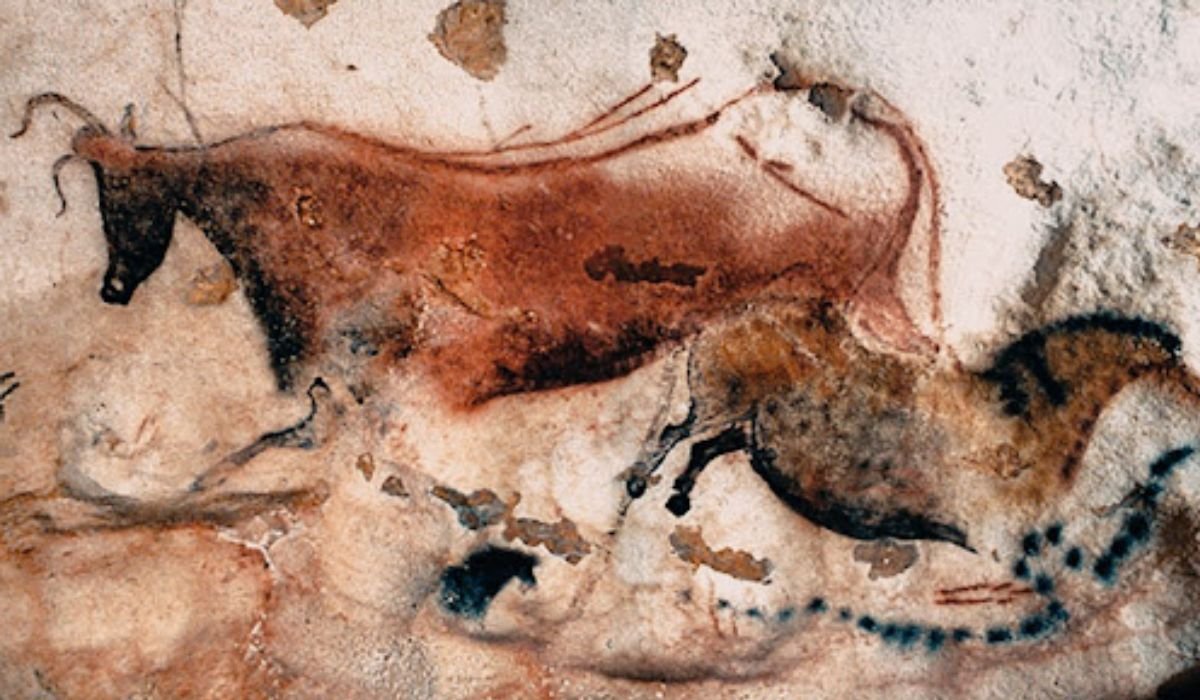
Imagine stepping into a shadowy cave, the air thick with mystery, and suddenly spotting vivid images of animals leaping across the walls, painted by hands that haven’t touched a brush in over 20,000 years. It’s moments like these that pull us back through time, reminding us how deeply creativity runs in our veins. Ancient artz, that captivating blend of human expression from long-lost eras, isn’t just relics gathering dust in museums; it’s the very foundation of how we see the world today. Whether you’re an art history student piecing together timelines or a traveler chasing cultural echoes, diving into ancient artz offers endless inspiration. Let’s embark on this journey, exploring how these early masterpieces shaped civilizations and continue to spark our imagination.
Table of Contents
- Prehistoric Cave Paintings: The Dawn of Creativity
- Mesopotamian Ziggurats: Towers Reaching for the Divine
- Egyptian Hieroglyphics: Eternal Stories Etched in Stone
- Hellenistic Sculpture: Capturing Raw Human Emotion
- Roman Mosaics: Everyday Floors Turned into Art
- Spiritual Symbolism: The Deeper Meanings Behind the Forms
- Materials Used in Ancient Artz: From Earth to Eternity
- The Impact of Ancient Artz on Modern Society: Echoes in Today’s World
- Comparison Table: Evolution of Ancient Art Forms
- FAQs
- Conclusion: Why Ancient Artz Still Matters
Prehistoric Cave Paintings: The Dawn of Creativity
Think about it: long before cities rose or empires fell, our ancestors were artists. Prehistoric cave paintings, some dating back to 40,000 years ago, mark the earliest sparks of human creativity. Places like Lascaux in France or Altamira in Spain are treasure troves of these works, where hunters depicted bison, deer, and horses with surprising skill. These aren’t random doodles; they’re deliberate, often layered with ochre, charcoal, and manganese for color.
You might wonder why they painted in such hard-to-reach spots. Some experts suggest it was for rituals, perhaps to invoke success in hunts or connect with spirits. In my experience studying these, it’s like peeking into the human soul, raw and unfiltered. The animals seem alive, charging across the rock, capturing motion in ways that feel almost modern. Honestly, this isn’t talked about enough, how these simple lines laid the groundwork for all art that followed.
Take Lascaux, discovered by accident in 1940 by a group of boys and their dog. The cave holds over 600 paintings, mostly animals, with a few human figures thrown in. It’s a window into prehistoric life, showing how art served practical and spiritual purposes. As cultural travelers chase these sites, they remind us of our shared heritage, urging us to preserve these fragile wonders.
Mesopotamian Ziggurats: Towers Reaching for the Divine
Shifting gears to the cradle of civilization, Mesopotamia brought us ziggurats, those massive stepped pyramids that dominated ancient skylines. Built around 2100 BCE, like the Great Ziggurat of Ur, these weren’t just buildings; they were artistic statements of power and faith. Made from sun-baked bricks, they rose in tiers, each level a platform for temples honoring gods like the moon deity Nanna.
What strikes me is the scale. These structures, often over 200 feet tall, symbolized a bridge between earth and heaven. The craftsmanship involved intricate reliefs and glazed tiles, depicting kings, gods, and mythical creatures. You might not know this, but ziggurats influenced later architecture, from Mayan pyramids to modern skyscrapers. It’s like they were saying, “Look how close we can get to the divine.”
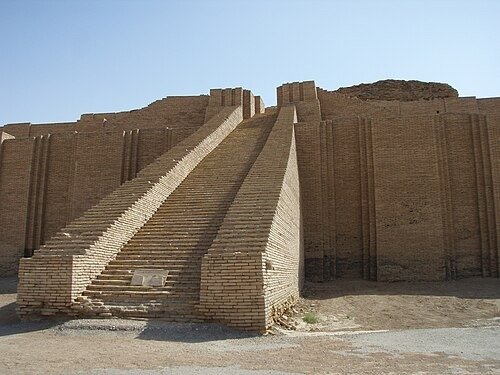
Archaeological artifacts from these sites reveal a society obsessed with order and eternity. The aesthetic evolution here shows art moving from simple forms to complex narratives, blending utility with beauty. For history enthusiasts, visiting reconstructed ziggurats offers a tangible link to Sumerian ingenuity.
Egyptian Hieroglyphics: Eternal Stories Etched in Stone
Ah, Egypt, where art and writing danced hand in hand. Egyptian hieroglyphics, those pictorial scripts from around 3200 BCE, weren’t mere decoration; they were a sophisticated language blending symbols and sounds. Found on tomb walls, papyrus, and monuments, they told tales of pharaohs, gods, and the afterlife.
The spiritual function of ancient artz shines here. Hieroglyphs often accompanied paintings of daily life, ensuring the deceased’s journey to eternity. Colors held meaning too: red for chaos, blue for the Nile’s life-giving waters. Some experts disagree on interpretations, but here’s my take: these symbols preserved cultural legacy, making immortality feel real.
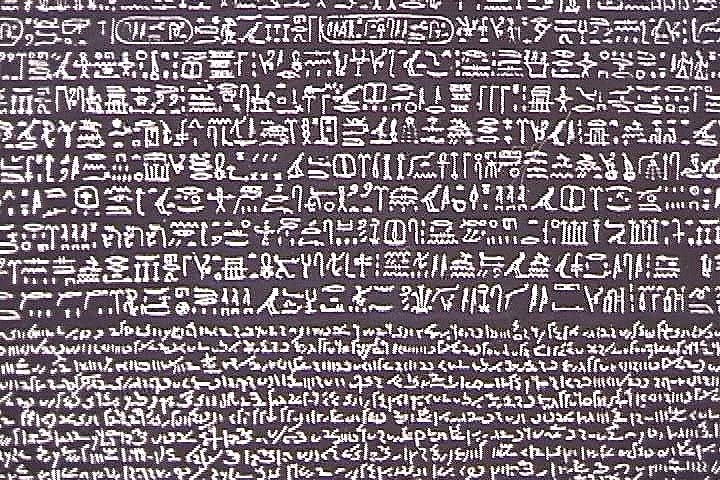
The Rosetta Stone, with its trilingual decree, unlocked this world in 1822. For creative professionals, it’s a goldmine of inspiration, showing how art communicates across millennia. Well, let’s break that down: hieroglyphics evolved aesthetics, influencing everything from modern fonts to graphic design.
Hellenistic Sculpture: Capturing Raw Human Emotion
Fast forward to the Hellenistic period, roughly 323 to 31 BCE, when Greek art hit its emotional peak. Sculptures like the Laocoön Group or the Venus de Milo burst with drama, twisting bodies and expressive faces that feel alive. Unlike earlier rigid forms, these embraced realism and movement, thanks to Alexander the Great’s empire spreading ideas.
Artistic craftsmanship reached new heights with marble and bronze, portraying gods, heroes, and everyday folks in dynamic poses. The timeless beauty of ancient artz is evident in how these works convey suffering, joy, or ecstasy. Picture a father and sons writhing against serpents in Laocoön; it’s pure storytelling in stone.
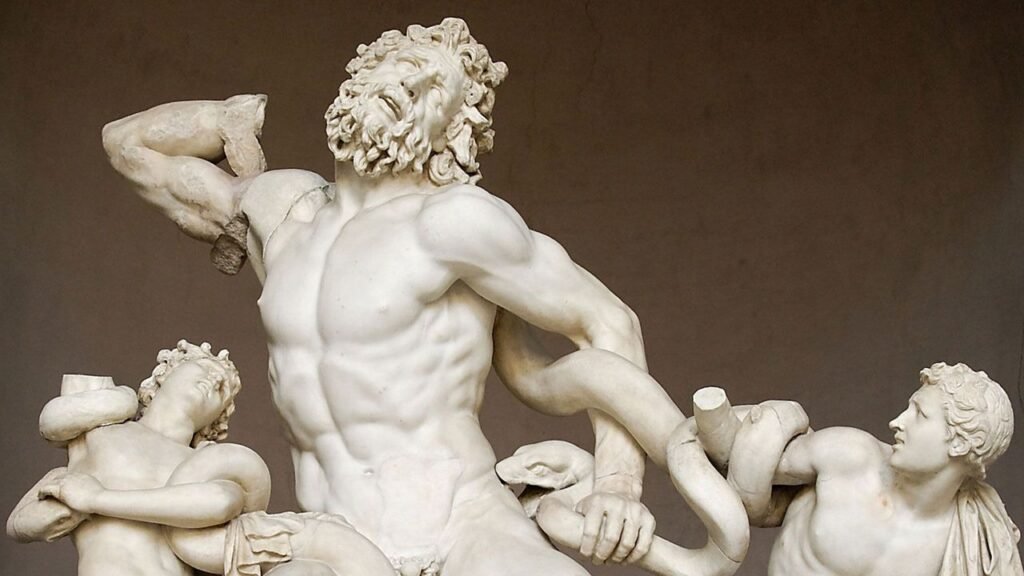
For art history students, this era marks a shift to individualism, influencing Renaissance masters. It’s fascinating how Hellenistic pieces, scattered in museums worldwide, still evoke strong reactions.
Roman Mosaics: Everyday Floors Turned into Art
Romans took art to the ground level with mosaics, intricate tile patterns adorning villas and public spaces from the 2nd century BCE onward. Using tiny tesserae of stone, glass, or pottery, they created scenes of mythology, nature, and daily life. Pompeii’s preserved floors, buried by Vesuvius in 79 CE, showcase this vividly.
These weren’t just pretty; they reflected status and culture. Symbols and meanings in ancient artz appear in motifs like the evil eye or bountiful harvests. In my view, Roman mosaics democratized art, bringing beauty into homes.
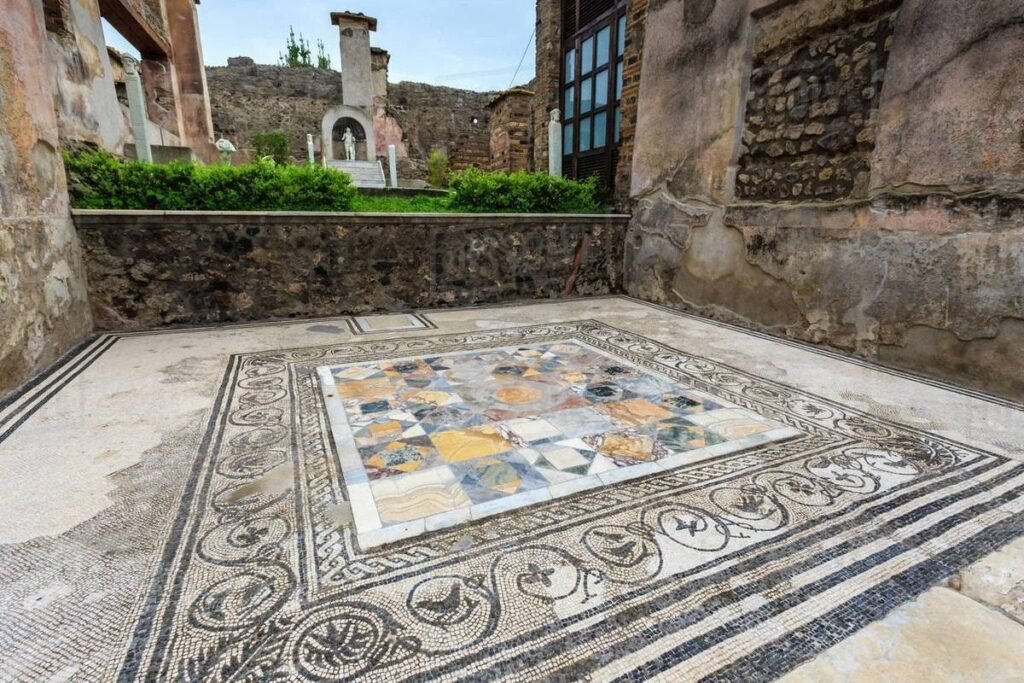
World heritage sites like these highlight archaeological artifacts’ value, inspiring modern tile designs and digital art.
Spiritual Symbolism: The Deeper Meanings Behind the Forms
Across ancient artz, spiritual symbolism weaves a common thread. Cave paintings might invoke animal spirits; Egyptian ankhs represent life eternal. In Mesopotamia, winged bulls guarded against evil, while Hellenistic gods embodied human flaws.
This symbolism wasn’t accidental. It connected the mundane to the mystical, using colors, shapes, and figures to convey beliefs. Some see it as early psychology, mirroring inner worlds. Honestly, exploring ancient artz history reveals how these symbols foster unity across cultures.
Materials Used in Ancient Artz: From Earth to Eternity
Materials tell their own story. Prehistoric artists used natural pigments like ochre and charcoal. Egyptians favored limestone, gold, and lapis lazuli for luxury. Greeks and Romans mastered marble and bronze, importing exotic stones.
Techniques varied: carving, casting, painting. Wood, ivory, and metals added variety, though many perished. For cultural travelers, understanding these enhances appreciation.
The Impact of Ancient Artz on Modern Society: Echoes in Today’s World
Ancient artz’s fingerprints are everywhere today. Modern architecture nods to ziggurats; fashion draws from Egyptian motifs. Films and games recreate Hellenistic drama, while mosaics inspire street art.
This influence fosters creativity, reminding us of shared humanity. As society evolves, ancient artz grounds us, sparking innovation.
Comparison Table: Evolution of Ancient Art Forms
| Period/Art Form | Key Materials | Themes/Symbolism | Notable Examples | Modern Influence |
| Prehistoric Cave Paintings | Ochre, Charcoal | Hunting, Spirits | Lascaux Caves | Abstract Art, Street Murals |
| Mesopotamian Ziggurats | Baked Bricks, Glazed Tiles | Divine Connection, Power | Ziggurat of Ur | Skyscrapers, Monumental Design |
| Egyptian Hieroglyphics | Stone, Papyrus, Pigments | Afterlife, Gods | Rosetta Stone | Graphic Design, Tattoos |
| Hellenistic Sculpture | Marble, Bronze | Emotion, Humanism | Laocoön Group | Renaissance Sculpture, Realism |
| Roman Mosaics | Tesserae (Stone, Glass) | Mythology, Daily Life | Pompeii Floors | Tile Art, Pixel Graphics |
This table highlights aesthetic evolution, showing progression from primal to polished.
FAQs
What defines ancient artz?
Ancient artz encompasses creative expressions from prehistoric times to the fall of Rome, including paintings, sculptures, and architecture that reflect cultural legacies.
How did spiritual function play a role in ancient artz?
Much of it served religious purposes, like invoking gods or ensuring safe passage to the afterlife, blending beauty with belief.
What materials were commonly used in ancient artz?
From natural pigments and stones to metals and clays, artists adapted local resources, innovating techniques for durability.
What’s the timeless beauty of ancient artz?
It’s in the enduring emotions and stories that resonate today, proving creativity transcends time.
How has ancient artz impacted modern society?
It shapes design, media, and culture, inspiring everything from logos to literature.
What are some symbols and meanings in ancient artz?
Common ones include the ankh for life or the bull for strength, carrying layers of cultural significance.
Why are world heritage sites important for ancient artz?
They preserve archaeological artifacts, allowing us to study and appreciate human history firsthand.
Conclusion
Wrapping this up, ancient artz isn’t a dusty chapter; it’s a living legacy that shaped civilizations and fuels our creativity. From cave walls to marble masterpieces, these works remind us of humanity’s drive to express, connect, and transcend. Some might argue we’ve outgrown them, but I see endless relevance. So, next time you’re in a museum or planning a trip, seek out these treasures. What hidden story will you uncover?