
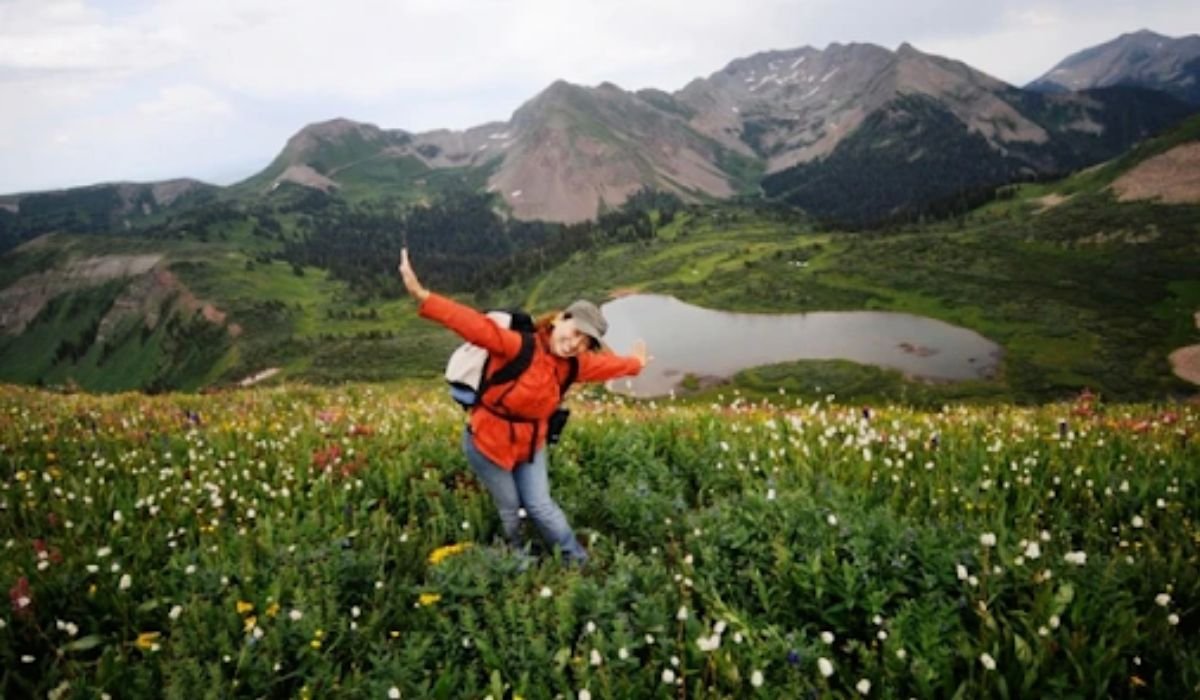
In a quiet corner of the Himalayas, a group of strangers gathers at dawn for a shared yoga practice. The air hums with birdsong, not notifications. Hands touch earth, breaths synchronize, and for a moment, the weight of endless scrolling lifts. This scene, repeated in retreats worldwide, signals something profound: after years of digital dominance, people are seeking solace in the tangible, the communal, the real.
Why Now? Tracing the Shift from Screens to Shared Spaces
The pandemic accelerated our reliance on apps for everything from meditation to fitness classes. Virtual wellness boomed, offering convenience amid isolation. Yet as restrictions eased, a quiet rebellion emerged. Recent surveys reveal a growing fatigue with pixelated self-care. McKinsey’s 2025 Future of Wellness report highlights distinct consumer segments driving demand for physical experiences, emphasizing subcategories like mobility training and breath science. This isn’t mere nostalgia; it’s a response to digital overload, where algorithms dictate moods and connections feel fleeting.
Historically, wellness has always been communal. Ancient traditions, from Roman baths to Indigenous sweat lodges, thrived on collective energy. In our hyper-digital world, this resurgence reflects a cultural pivot. As global wellness markets project growth into 2026, trends point to analog alternatives—think forest bathing in Japan or sound ceremonies in Bali—countering the isolation of app-based routines. The stakes are high: mental health crises, exacerbated by screen time, demand more than solitary swipes.
The Tangible Benefits: Why Face-to-Face Trumps Digital
Submerge yourself in the nuances. In-person wellness fosters deeper bonds through non-verbal cues— a coach’s encouraging nod or a group’s collective exhale. Studies show face-to-face coaching enhances trust and rapport, leading to better health outcomes like improved quality of life and reduced depression. Unlike apps, which often prioritize metrics over empathy, physical sessions allow for real-time adjustments, making them especially effective for chronic conditions.
Consider the social dimension. Isolation lurks in digital wellness; algorithms can’t replicate the serotonin boost from shared laughter in a group hike. Research from the Harris Poll underscores this, with 96% of travelers seeking hobby exploration in person. Analog trends amplify these gains: red-light therapy sessions in community spas or cold plunges with peers build resilience not just physically, but emotionally.
Costs play a role too. While virtual programs average lower upfront fees, in-person ones often yield longer-lasting results, justifying the investment. Transitioning isn’t about ditching apps entirely; it’s blending them with real-world anchors for sustained impact.
Analog Wellness Rising: A Counterpoint to Digital Burnout
Enter analog wellness, the antidote to endless feeds. This trend, spotlighted by the Global Wellness Summit, involves logging off for tactile pursuits—vinyl records, board games, or pottery classes. It’s mainstreaming digital detox, with retreats emphasizing “fourth spaces” that bridge online and offline worlds through shared interests.
Gen Z leads the charge. Born into screens, they’re rebelling against manipulation, craving authenticity in hobbies like knitting or star bathing. A Think with Google study notes their preference for longer-form content, mirroring a shift to immersive, unfiltered experiences. In a world of filters, analog offers unedited joy, fostering mindfulness without apps dictating the pace.
This rise intersects with broader cultural shifts. Wellness travel surges, with biohacking and personalized nutrition at retreats like SHA Wellness in Mexico or Clinique La Prairie in Switzerland. It’s not escapism; it’s recalibration, proving that in a digital deluge, analog anchors us.
Spotlight on Retreats: Top Destinations for 2026 Rejuvenation
Planning your return to in-person? 2026 promises transformative spots. Ananda in the Himalayas blends Ayurveda with modern longevity protocols, ideal for those seeking waterfall adventures and yoga. Kamalaya in Thailand focuses on emotional detox through nature immersion, drawing on Thai healing traditions.
For luxury, Chenot Espace in Italy offers biohacking amid serene landscapes, while The Ranch Malibu emphasizes communal hikes for physical reset. Closer to home, U.S. options like Canyon Ranch integrate red-light therapy with group mindfulness, catering to diverse needs.
Global gems include AyurMa in the Maldives for ocean-inspired wellness and VILA VITA Parc in Portugal for European elegance. These aren’t vacations; they’re investments in communal healing, with costs varying from accessible group sessions to premium personalized plans.
Unwind in Nature: The Ultimate Wellness Retreat at Canyon of the …
Expert Voices: Nuanced Takes on the Resurgence
Beth McGroarty of the Global Wellness Institute frames analog wellness as a policy-shaping force, influencing home design and travel. It’s about reclaiming agency, she argues, amid disinformation and division.
Coaches echo this: face-to-face interactions boost self-empowerment, particularly for disadvantaged groups. One practitioner notes how non-verbal support in sessions fosters trust apps can’t match. Yet challenges persist—accessibility remains key, with hybrid models bridging gaps.
My perspective: this resurgence isn’t anti-tech; it’s pro-human. It critiques how digital tools, while innovative, often fragment attention. True wellness demands presence, the kind only bodies in space can provide.
Global Lenses: Diverse Paths to Communal Wellness
Wellness isn’t monolithic. In India, retreats draw on Vedic roots for holistic balance; in Africa, community drumming circles heal collectively. Latin American curanderas offer plant-based rituals, emphasizing ancestral wisdom over gadgets.
Avoiding Western bias, consider how Indigenous practices worldwide prioritize land connection. In Australia, Aboriginal-led walks integrate storytelling with nature therapy. This inclusivity enriches the resurgence, making it ethically grounded and culturally resonant.
Equity matters: while luxury retreats dominate headlines, local spaces like urban sound baths democratize access, ensuring the trend benefits all.
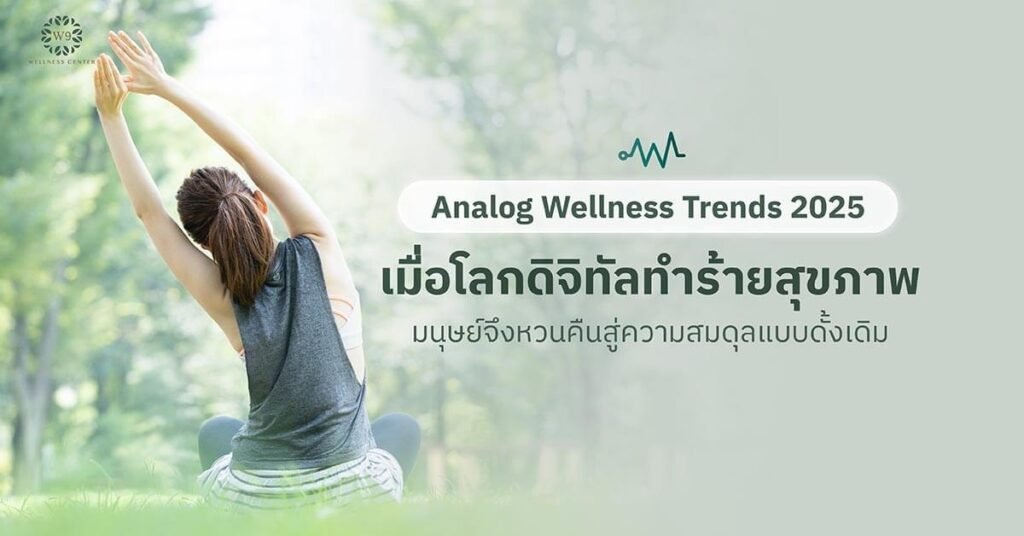
Analog Wellness: A New Health Trend to Restore Balance in Your …
Reflections on Reconnection
As we edge into 2026, the resurgence of in-person wellness experiences invites us to question: what have we lost in our digital pursuits, and what might we regain in shared spaces? It’s a call to balance, blending tech’s efficiency with humanity’s warmth. In these gatherings, we find not just health, but a deeper sense of belonging—a reminder that true vitality blooms in connection.
Meta description: Explore the resurgence of in-person wellness experiences, from analog trends to top 2026 retreats, and discover why face-to-face beats digital for deeper connection and health.
YOU MAY ALSO LIKE: Functional Nutrition for Longevity: Nourishing Habits for a Vibrant, Extended Life