
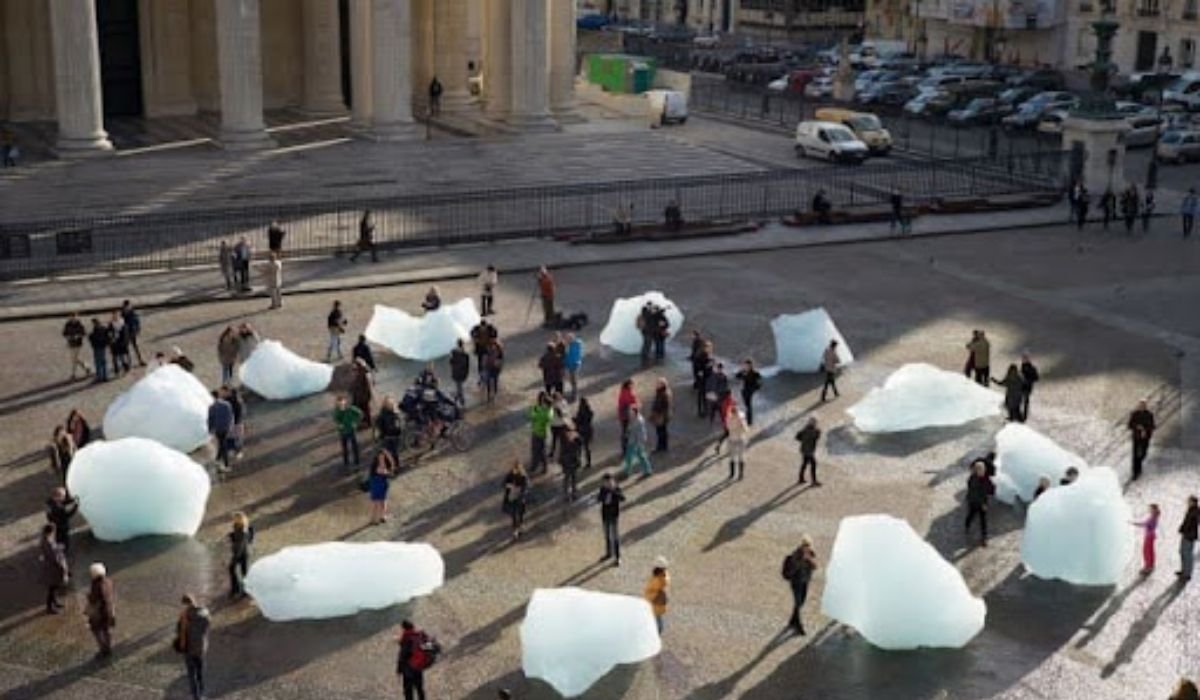
In the heart of Copenhagen, during the 2009 UN Climate Change Conference, massive chunks of Greenlandic ice stood sentinel in the city square, slowly melting under the gaze of passersby. Olafur Eliasson’s Ice Watch was no mere sculpture; it was a visceral reminder of vanishing glaciers, a silent scream against complacency. As droplets pooled on the pavement, viewers confronted the inexorable tick of time, feeling the chill of environmental loss in their bones. This is the essence of climate art: not just images on walls, but experiences that pierce the veil of abstraction, making the invisible crisis palpably real.
Today, as wildfires rage and oceans rise, visual activism emerges as a potent force in contemporary environmentalism. Artists are wielding brushes, installations, and digital media to bridge the gap between scientific data and human emotion, fostering a deeper climate awareness. In an era where facts alone often fail to move the needle, these creators harness the power of eco-art to inspire action, challenge norms, and envision sustainable futures.
The Evolution of Climate-Focused Art Movements
Environmental art did not spring forth fully formed in the digital age. Its roots trace back to the 1960s and 1970s, when the Land Art movement sought to redefine humanity’s relationship with nature. Pioneers like Robert Smithson, with his monumental Spiral Jetty in Utah’s Great Salt Lake, used the earth itself as canvas and medium, highlighting the fragility of landscapes altered by human hands. This era marked a shift from gallery-bound works to site-specific interventions, reacting against urbanization and industrialization.
By the 1990s, as global warming entered public discourse, artists began addressing climate change more explicitly. The movement evolved from aesthetic exploration to urgent advocacy, incorporating sustainable materials and community engagement. Think of the transition from early earthworks to today’s interactive installations, where art not only reflects environmental degradation but actively combats it. The rise of social practice art in the 2000s further amplified this, blending creativity with activism to tackle issues like deforestation and pollution.
What drives this evolution? A growing recognition that traditional activism, while vital, often speaks to the converted. Visual storytelling cuts through noise, making complex climate science accessible and emotionally resonant. As movements like Extinction Rebellion gain traction, artists are at the forefront, using their work to amplify calls for policy change and cultural shifts.
Contemporary Artists Leading the Charge in Visual Activism
Today’s climate art landscape brims with innovators who transform despair into dialogue. Olafur Eliasson continues to captivate with works like Ice Watch, where ancient ice blocks harvested from Greenland’s fjords melt in urban settings, symbolizing the rapid pace of Arctic thaw. Installed in cities from Paris to London, these pieces invite tactile interaction, turning abstract statistics into tangible loss.
Maya Lin, renowned for the Vietnam Veterans Memorial, extends her memorial ethos to the planet with What is Missing?, a multimedia project mapping endangered species and ecosystems. Through videos, sounds, and interactive maps, Lin creates a “last memorial” to vanishing biodiversity, urging viewers to reflect on human impact. Her work blends elegance with urgency, showing how artistic activism can educate without overwhelming.

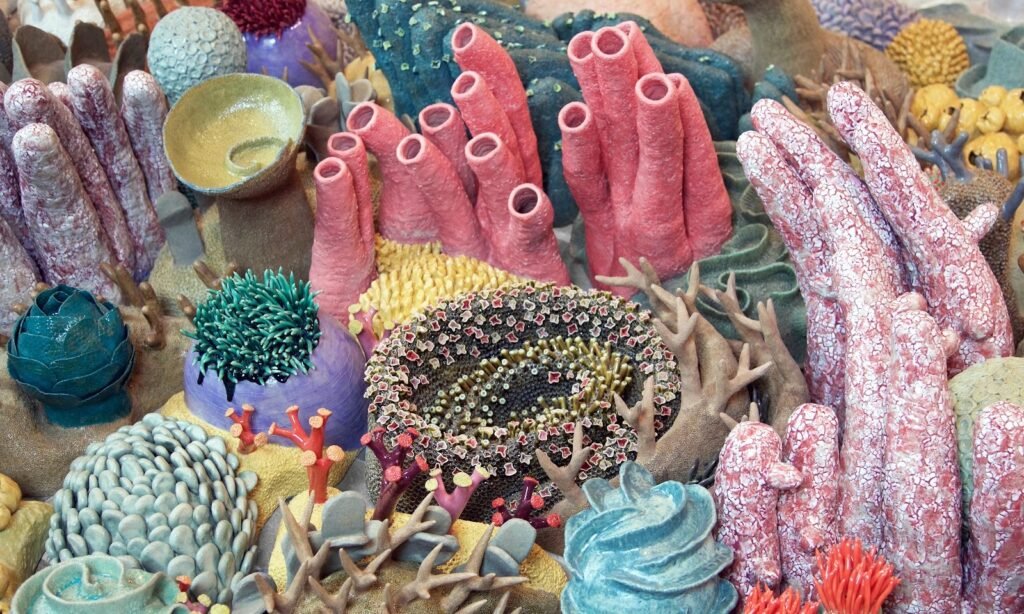
Then there’s Courtney Mattison, whose intricate ceramic sculptures mimic coral reefs in stunning detail. Pieces like Our Changing Seas depict vibrant underwater worlds on the brink, using glazed porcelain to evoke both beauty and bleaching. Mattison’s eco-art not only raises awareness about ocean acidification but also advocates for marine conservation, proving that sustainable art can be both delicate and defiant.
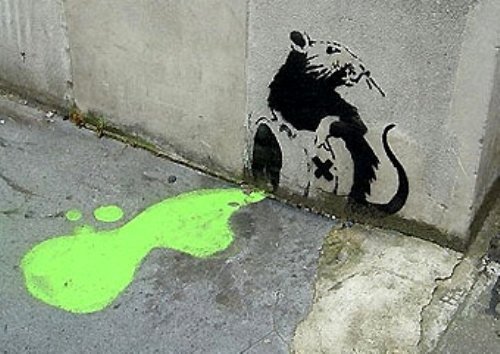
Street artist Banksy injects irony and critique into the mix. His graffiti, like the child painting “This is my forest” amid stumps, skewers consumerism and environmental neglect. Banksy’s anonymous interventions make visual activism accessible, popping up in unexpected places to provoke thought and debate.
These artists exemplify the green art movement, where creative advocacy meets real-world impact. Their works do not just adorn spaces; they demand engagement, turning passive observers into informed advocates.
The Power of Visual Storytelling in Climate Advocacy
Why does visual media pack such a punch in communicating climate science? Data charts might inform, but images and installations evoke empathy. Consider how environmental art installations, like those melting ice blocks, make distant threats immediate. They humanize statistics: a rising sea level is no longer a graph line but a flooded homeland.
Art for social change thrives on this immediacy. Through narrative arcs, artists weave stories that resonate on a personal level, fostering climate awareness through art. Long-tail queries like “how art influences climate change awareness” reveal a hunger for this approach, as viewers seek ways to process overwhelming information. Visual activism excels here, using metaphor and symbolism to bypass skepticism and ignite passion.
In advocacy, such works amplify voices often sidelined. Installations in public spaces democratize the conversation, inviting diverse audiences to ponder “how to use art for climate advocacy.” The result? A ripple effect, where inspired individuals push for policy shifts, from local recycling initiatives to international accords.
Psychological Impact of Climate Change Art on Viewers
Encountering climate art can be transformative, stirring emotions from awe to anxiety. Research shows that visual depictions of environmental peril heighten risk perception, prompting behavioral changes. For instance, exposure to pieces like Eliasson’s fosters a sense of urgency, making abstract futures feel pressing.
Yet, the impact goes deeper. Art can alleviate eco-despair by channeling grief into action. Studies on viewer responses indicate that emotionally resonant works build resilience, encouraging support for climate policies. This psychological shift is crucial; when facts overwhelm, art offers a pathway to hope, reframing crisis as opportunity.
Critics argue some works risk sensationalism, but the best examples balance alarm with inspiration. By evoking empathy, they cultivate environmental consciousness, proving that the mind’s eye is a powerful ally in the fight against inaction.
Global Perspectives: Inclusive Voices in the Green Art Movement
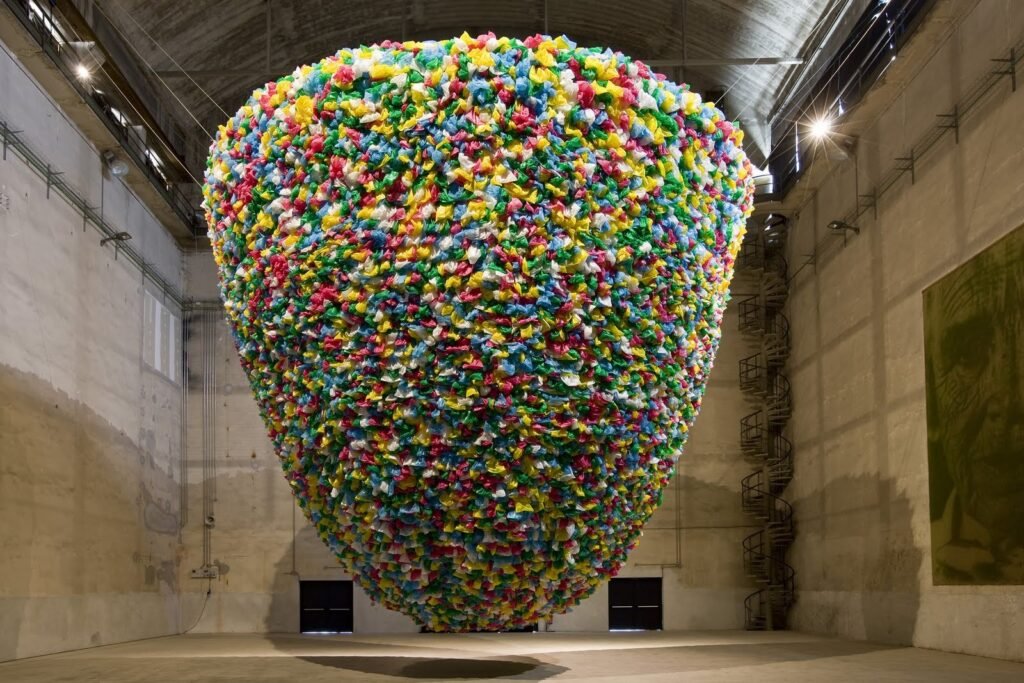
Climate art must transcend borders to truly resonate. While Western creators dominate headlines, voices from the Global South offer vital insights. In Africa, artists like Pascale Marthine Tayou repurpose plastic waste into sculptures, critiquing consumerism and pollution. His works highlight how climate burdens fall heaviest on vulnerable communities, blending local materials with global commentary.
Indigenous artists worldwide infuse eco-art with ancestral wisdom. In Vanuatu, traditional knowledge informs pieces addressing sea-level rise, as seen in community-led projects that merge art with activism. This intersectionality enriches the movement, avoiding Western-centric bias and embracing diverse narratives.
Such inclusivity ensures artistic activism reflects global realities, from Amazonian deforestation to Pacific island submersion. By amplifying marginalized perspectives, climate art becomes a tool for equity, fostering solidarity across cultures.
Beyond Surface: Nuanced Critique and Forward Vision
What sets exceptional climate art apart is its refusal to simplify. It probes intersections: how economic inequality exacerbates environmental harm, or how technology might aid sustainable art. My years covering cultural shifts reveal that the most impactful works challenge viewers to question their complicity, turning passive consumption into active stewardship.
Consider the evolution: early environmental art focused on beauty; today’s integrates data and interaction, like augmented reality overlays on polluted sites. This progression underscores art’s adaptability, mirroring the adaptive strategies needed for climate resilience. Yet, challenges remain: accessibility, funding, and avoiding greenwashing. True impact demands authenticity, where artists collaborate with scientists and communities for grounded, ethical narratives.
In this light, visual activism is not escapism but empowerment, a bridge between despair and determination.
As we stand at this precipice, climate art reminds us that imagination is our greatest renewable resource. It invites us to envision not just survival, but thriving: communities rebuilt with equity, landscapes restored through collective will. In the melting ice and sculpted reefs, we glimpse possibilities, a call to weave our own threads into the tapestry of change. What stories will we tell tomorrow?
YOU MAY ALSO LIKE: The Rise of Nature-Infused Artivism: Sparking a Greener Creative Revolution